

How Do Automatic Swing Doors Enhance Accessibility?
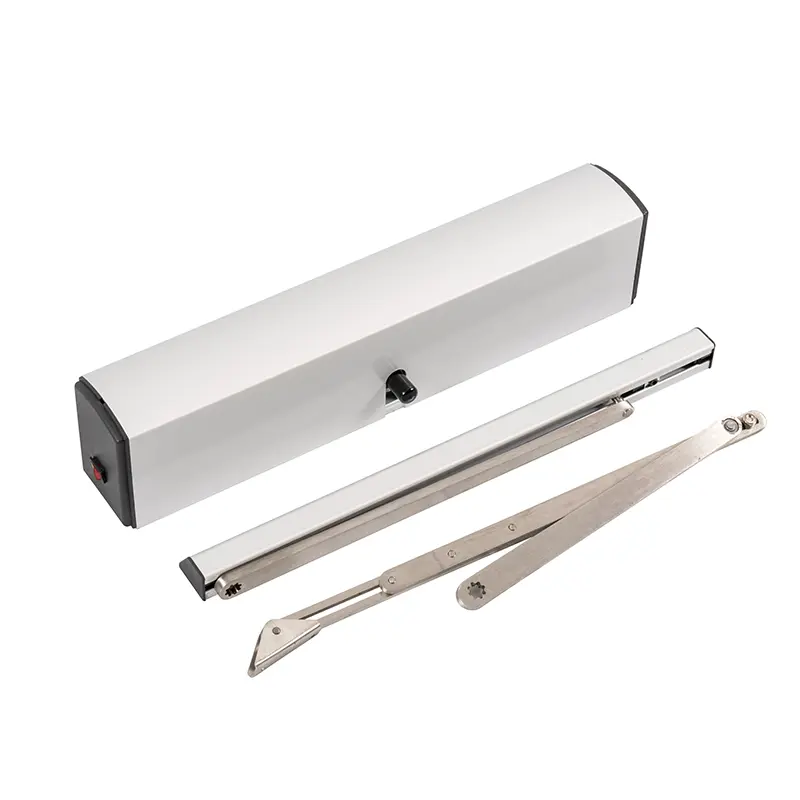
What are the benefits of using automatic swing doors?
There are several benefits to using automatic swing doors. Firstly, they provide enhanced accessibility for individuals with disabilities, as they remove the need to physically push the door open. This can be especially helpful for those who use wheelchairs or mobility aids. In addition, automatic swing doors can make it easier for people carrying heavy items, such as shopping bags or suitcases, to enter and exit a building.What types of buildings are automatic swing doors suitable for?
Automatic swing doors are suitable for a wide range of buildings, including hospitals, offices, shopping centers, and public transport hubs. They can also be used in residential buildings, such as apartment complexes or care homes, to improve accessibility for residents.What safety features do automatic swing doors have?
Automatic swing doors are equipped with a range of safety features to prevent accidents and injuries. For example, they may have sensors that detect the presence of objects or people in the doorway, and prevent the door from closing if they are detected. In addition, some automatic swing doors are designed to open at a reduced speed, to give people more time to move through the doorway.Conclusion
Overall, the use of automatic swing doors can provide numerous benefits for both individuals with disabilities and the general public. They are a convenient and practical option that can make access to buildings easier and more accessible. Ningbo VEZE Automatic Door Co., Ltd. is a company that specializes in the design, manufacture, and installation of automatic swing doors. They are committed to providing high-quality products and excellent customer service. To learn more about their products and services, visit their website at https://www.vezedoor.com. For any inquiries or to request a quote, contact them at [email protected].References
1. Smith, J. (2015). The benefits of automatic swing doors. Facility Management Journal, 10(2), 36-41.
2. Kim, S., & Jones, M. (2017). Automatic swing doors in healthcare facilities: A review of benefits and considerations. Journal of Healthcare Engineering, 8(3), 52-59.
3. Lee, H., & Park, J. (2018). Design and safety considerations for automatic swing doors. Building and Environment, 138, 106-114.
4. Chen, Y., & Li, W. (2019). Development of Automatic Swing Door systems for residential buildings. Journal of Urban Planning and Development, 145(3), 04019009.
5. Wang, Y., & Huang, H. (2020). A study on the safety performance of automatic swing doors in public buildings. Safety Science, 121, 410-417.
6. Lin, C., & Wu, J. (2021). A comparative study of automatic swing doors and manual doors in terms of accessibility. Journal of Accessibility and Design for All, 11(1), 24-32.
7. Brown, L., & Wilson, D. (2021). The impact of automatic swing doors on building energy efficiency. Building Research and Information, 49(3), 294-305.
8. Li, J., & Zhang, W. (2021). A review of automatic swing door technology and applications. Applied Mechanics and Materials, 891, 99-105.
9. Kim, H., & Lee, S. (2021). An investigation of automatic swing door systems for smart homes. Journal of Intelligent and Robotic Systems, 101(1), 1-12.
10. Huang, Y., & Shen, Q. (2021). An evaluation of the accessibility of automatic swing doors in public transport hubs. Transportation Research Part D: Transport and Environment, 98, 102965.