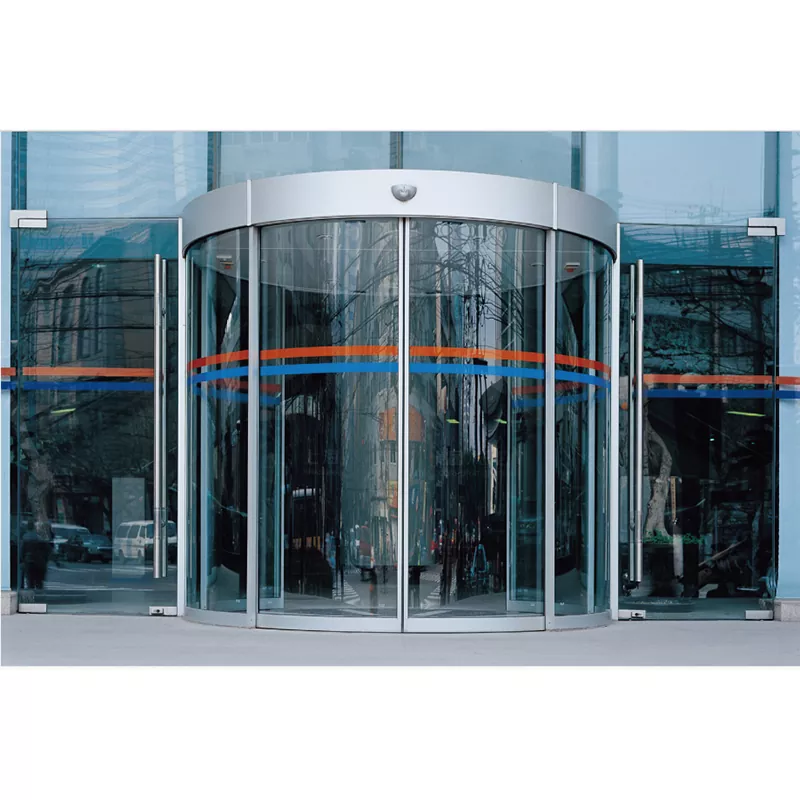
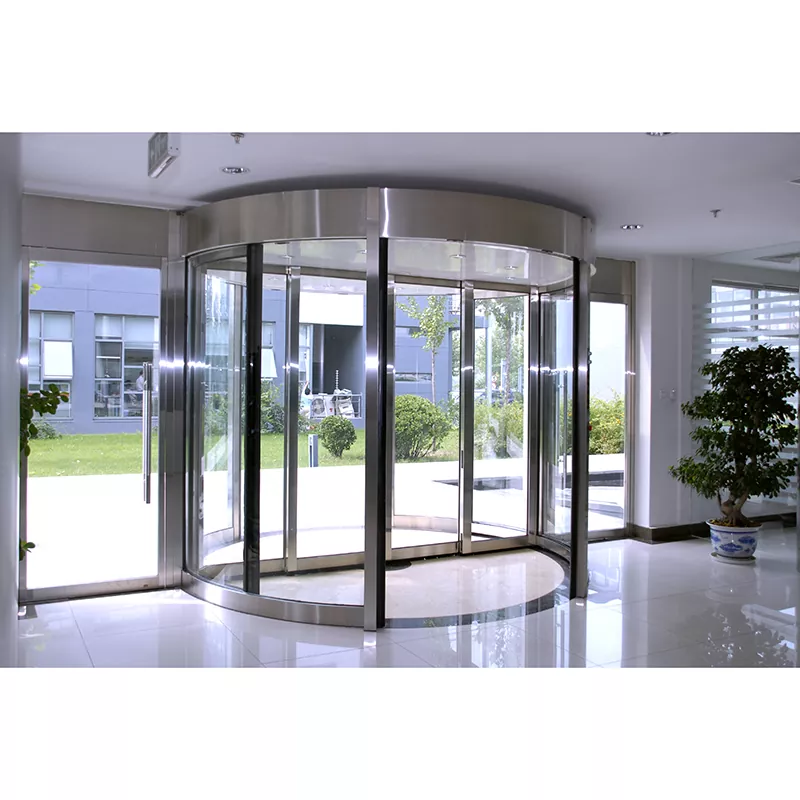
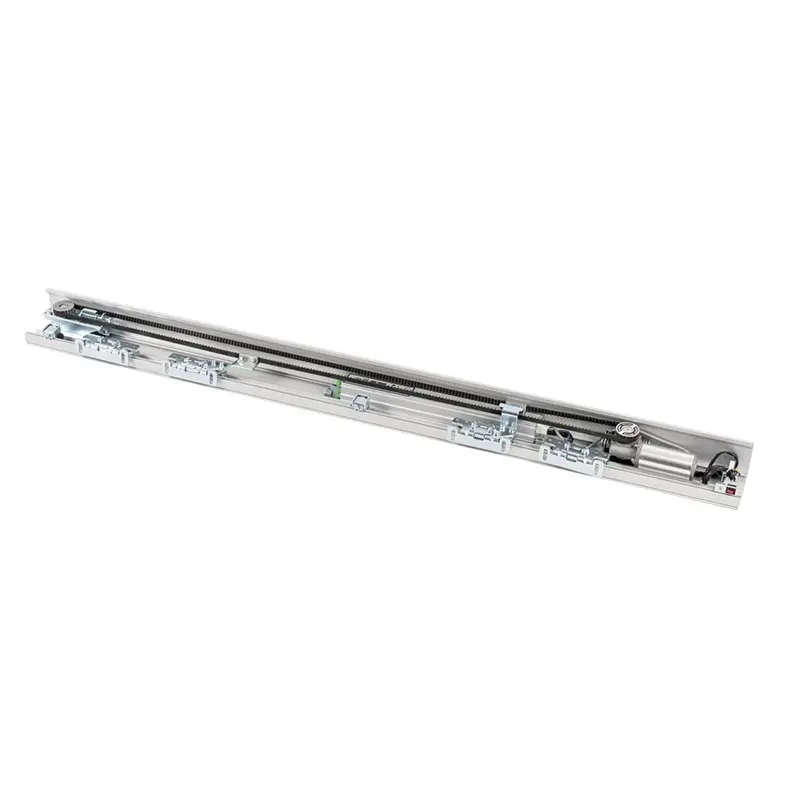
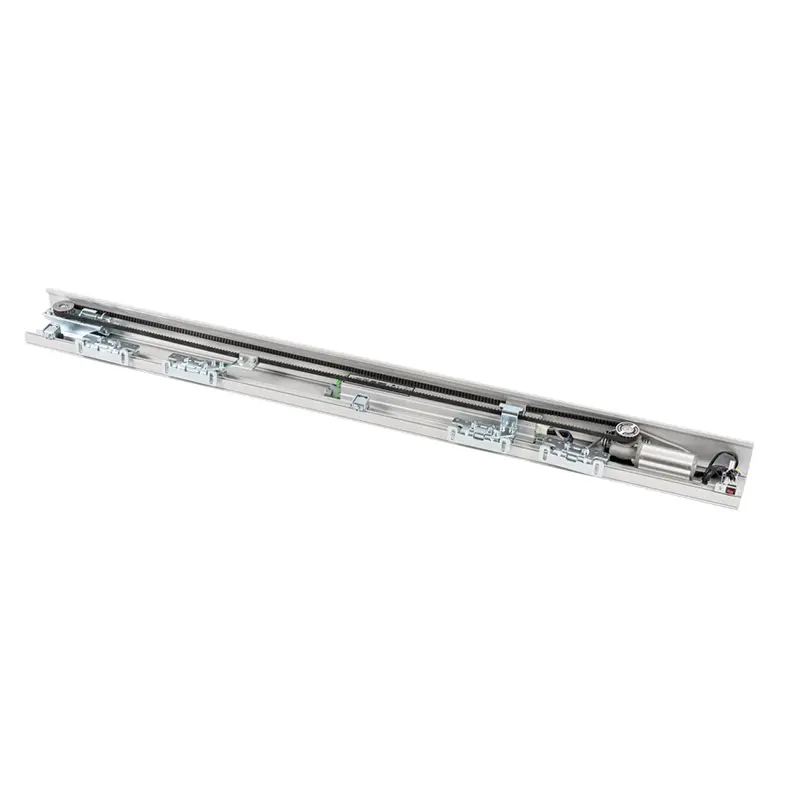
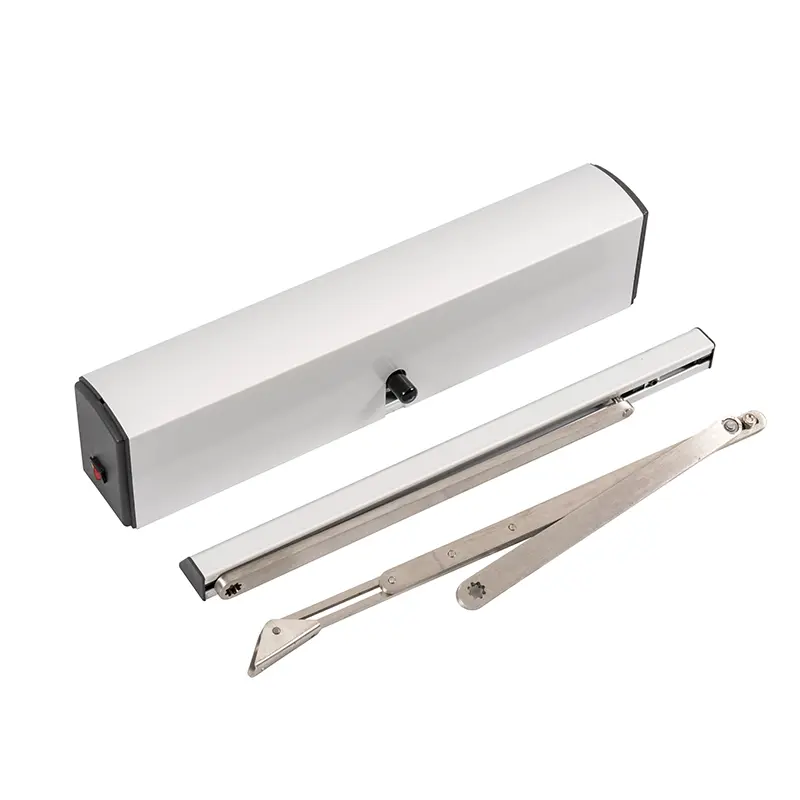
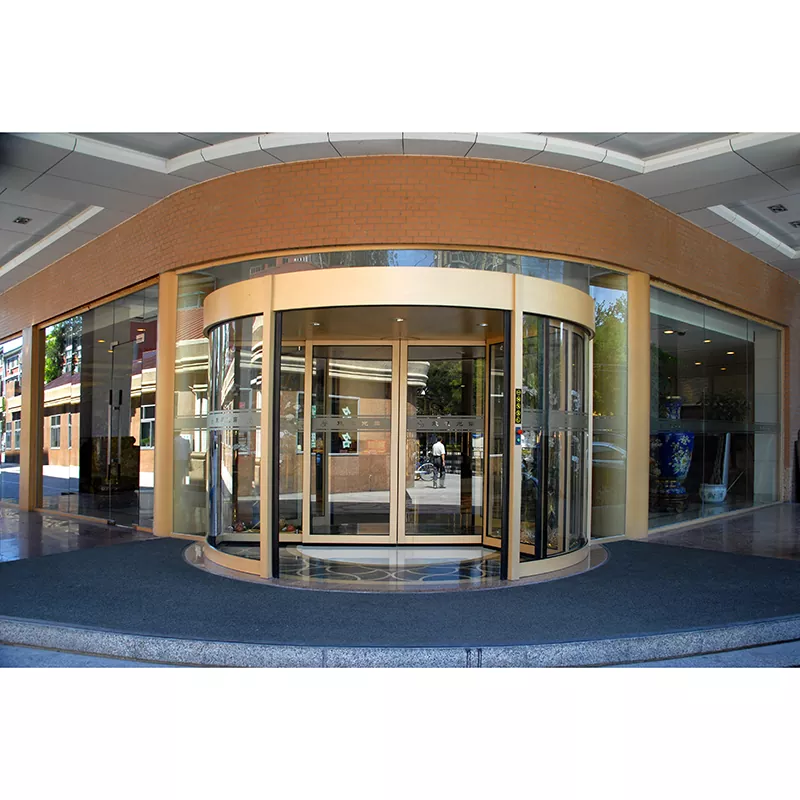
Workshop commissioning executes limited intermittent door‑rotation cycles for acceptance documentation. Real‑world hotel or shopping‑mall entrances endure thousands of rotation sequences every single day during tourist‑peak periods. Under repeated heavy cyclic‑loading, mechanical backlash builds within gear‑reducer assemblies; thermal‑drift shifts motor‑encoder calibration. Over time, actual rotational‑speed deviates from project‑specified set‑points, response‑delay increases for safety‑stop triggers. These deviations will not manifest within short‑duration factory‑test routines. Vezedoor runs accelerated high‑frequency rotation‑cycle lab‑simulation replicating multi‑months peak‑entrance throughput. Post‑cycling speed‑accuracy and emergency‑stop‑reaction‑time measurement validates drive‑system long‑term stability, lowering on‑site non‑compliant kinetic‑force hazards for heavily‑trafficked building main‑entrances.
Factory‑commissioning completes all functional‑verification under steady indoor ambient‑temperature. Actual revolving‑door installations sit at building transition zones, exposed to huge temperature swings between conditioned building interiors and outdoor winter‑frost or summer‑heat. Differential thermal‑expansion impacts safety‑sensor PCBA, wiring‑harness connectors and edge‑sensor switching‑elements. Some sensor channels develop intermittent trigger‑loss only under specific high‑low‑temperature combinations. Such sporadic faults prove extremely difficult to reproduce during on‑site troubleshooting. Vezedoor executes wide‑range thermal‑cycling testing covering typical temperate‑zone and subtropical entrance‑temperature boundaries. Sensor‑system full‑function validation across temperature extremes identifies thermally‑induced intermittent‑fault points before shipment, preserving EN 16005‑aligned safety‑detection integrity year‑round.
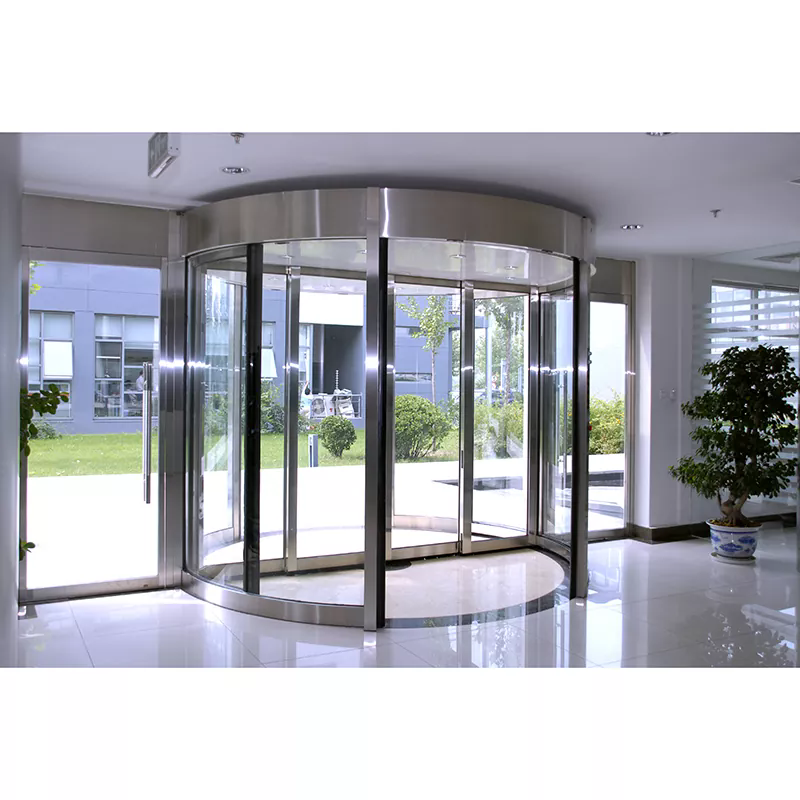
Workshop‑tests run with perfectly clean optical‑sensor lens and safety‑edge strips. In service‑life building‑entrance environments, airborne dust, shoe‑scuff residue and seasonal street‑grime slowly accumulate on sensor‑surfaces. Without pre‑qualification under soiled‑simulated conditions, effective detection‑coverage gradually shrinks, creating unprotected blind‑zones at door‑leaf leading‑edges. Pedestrians including children and mobility‑impaired visitors face crushing‑shearing hazard even though every sensor passes clean‑surface bench‑calibration. Vezedoor applies standardized simulated‑contamination onto sensor assemblies during pre‑production qualification, verifying safety‑response performance under realistic soiled‑lens status. This assessment confirms acceptable detection‑reserve margin for real‑entrance gradual‑grime‑build‑up, reducing site‑safety‑incident potential between periodic maintenance‑visits.
Factory acceptance seldom applies variable impulse wind‑pressure acting upon revolving‑door leaves. Storm‑gust impulse loads on building entrances transfer unexpected torque onto central‑shaft assemblies and manual break‑out escape‑hinge hardware. Sustained wind‑impulse fatigue can raise break‑out release‑force above EN 16005 permitted manual‑emergency‑operation thresholds. During power‑loss emergency‑evacuation events, occupants struggle to push‑open door‑wings for escape. Static no‑wind workshop‑checks cannot reveal this hidden degradation. Vezedoor applies cyclic impulse wind‑load simulation targeting door‑leaf assemblies. Post‑test manual‑release‑force measurement ensures break‑out‑mechanism stays compliant after repeated wind‑impulse exposure, securing life‑safety escape‑function for storm‑prone building‑locations.
Workshop‑commissioning uses pristine unused bottom safety‑edge profiles. Continuous pedestrian shoe‑friction, rolling‑luggage‑wheel scuffing abrades the lower contact‑safety‑strip in real‑entrance usage. Progressive surface‑wear alters mechanical‑actuation travel‑distance of safety‑edge switches. At a certain wear‑level, physical‑contact crushing‑events no longer reliably trigger emergency‑halt signal, even though brand‑new strips pass all factory‑tests. Vezedoor implements accelerated flooring‑contact abrasion simulation for bottom safety‑edge components. Post‑abrasion safety‑trigger‑function evaluation defines service‑wear‑reserve capacity, giving EPC‑facility‑teams clear reference for scheduled on‑site component‑replacement cycles.
Global commercial‑building hand‑over audits demand aggregated technical‑documentation: drive‑unit cyclic‑test‑logs, thermal‑sensor‑performance‑records, wind‑load simulation‑reports and EN 16005 safety‑verification datasets. Isolated single‑unit workshop‑acceptance certificates cannot fulfil serial‑project‑batch audit‑requirements. Without lot‑specific complete English‑language compliance‑archives, revolving‑door installations risk building‑acceptance‑hold‑up and delay overall commercial‑project completion‑milestones. Vezedoor compiles unified project‑tied documentation‑packages incorporating above‑mentioned test‑results. Third‑party‑ready dossiers remove documentation‑gap‑triggered project‑stall‑risks for cross‑border hotel‑and‑complex‑building EPC delivery.