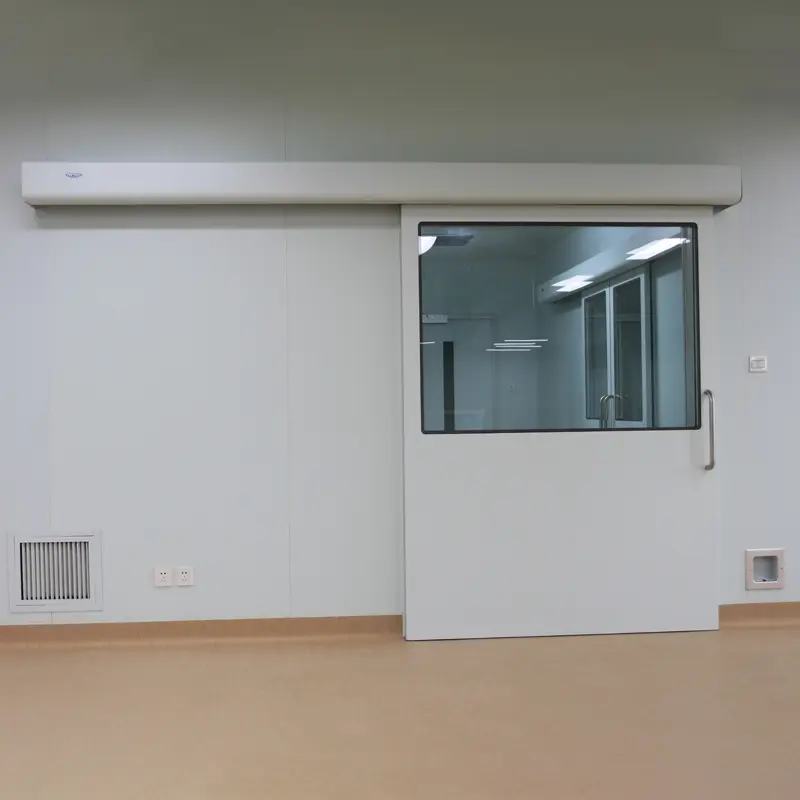
Automatic breakout sliding doors have become a critical solution for airports, hospitals, shopping malls, office towers, hotels, and other high-traffic environments. These advanced door systems combine the convenience of automatic sliding technology with emergency breakout functionality, allowing panels to swing open instantly during emergencies or heavy pedestrian traffic.
This comprehensive guide explains how automatic breakout sliding doors work, their advantages, installation considerations, maintenance requirements, safety standards, and how businesses can select the ideal system for their projects. Whether you are a property developer, architect, contractor, or facility manager, understanding these systems can help improve operational efficiency and occupant safety.
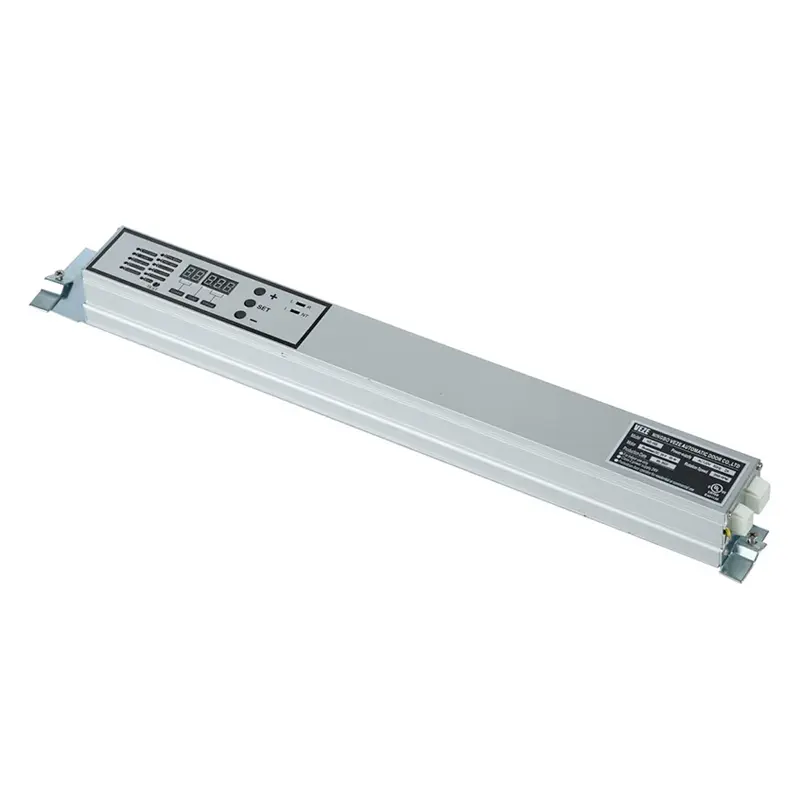
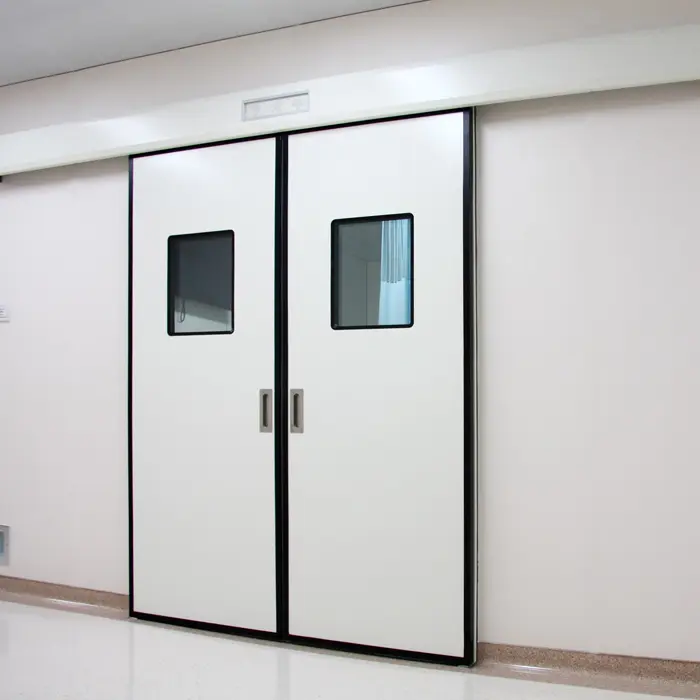
An automatic breakout sliding door is a specialized entrance system designed to provide both automatic sliding operation and emergency swing-out capability. Under normal conditions, the door panels slide smoothly along tracks using automated sensors and motor systems. In emergency situations, the sliding panels can “break out” and swing open like traditional hinged doors.
This dual-function design significantly increases evacuation capacity while maintaining everyday convenience. The breakout feature is particularly valuable in crowded environments where rapid exit access is essential.
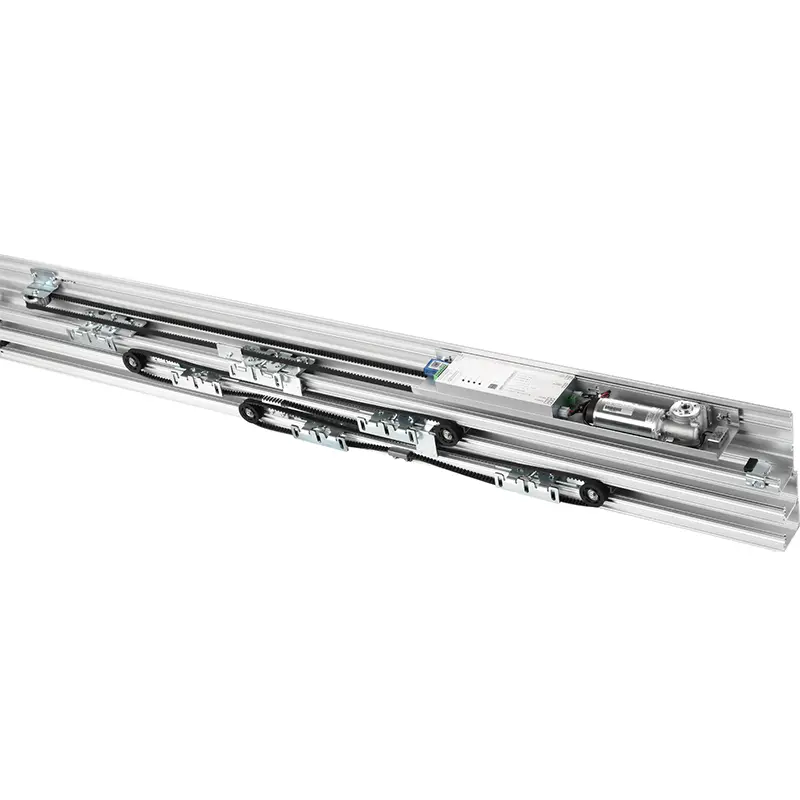
The breakout mechanism is engineered to disengage the sliding track system when pressure is applied in a specific direction. During emergencies such as fires or evacuation events, occupants can push the panels outward, transforming the entrance into a wide-open passageway.
Most systems incorporate advanced safety sensors and panic hardware to ensure reliable operation. The breakout movement typically requires minimal force, making it accessible to people of all ages and physical conditions.
| Feature | Purpose |
|---|---|
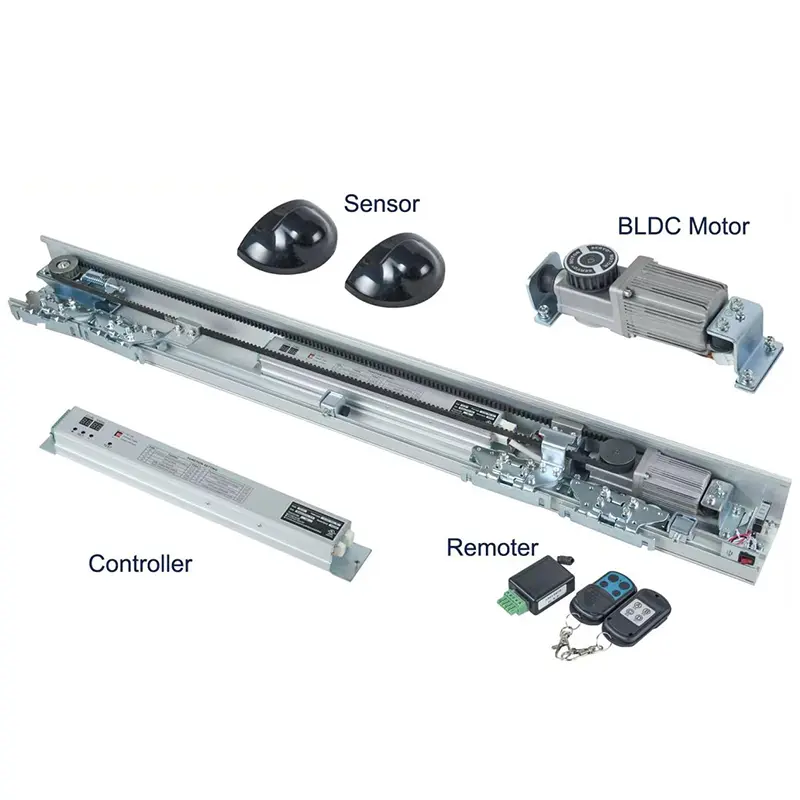
| Motion Sensors | Detect approaching pedestrians |
| Breakout Hinges | Allow emergency swing-out operation |
| Control Unit | Manages door automation and safety logic |
| Safety Sensors | Prevent accidental collisions |
Modern commercial facilities face increasing demands related to safety, accessibility, operational efficiency, and user experience. Automatic breakout sliding doors address all these requirements simultaneously.
Emergency breakout capability ensures faster evacuation during fires, earthquakes, or crowd surges.
Automatic operation enhances hygiene and convenience in hospitals, airports, and retail stores.
Doors open only when necessary, minimizing air conditioning and heating losses.
Supports barrier-free access for wheelchairs, elderly users, and disabled individuals.
Automatic breakout sliding doors are widely used across industries because of their versatility and reliability.
| Industry | Application Benefits |
|---|---|
| Hospitals | Hands-free hygienic access and emergency evacuation |
| Airports | Handles high pedestrian traffic efficiently |
| Shopping Malls | Improves customer flow and energy control |
| Hotels | Creates premium entrance experiences |
| Office Buildings | Enhances modern architectural aesthetics |
Safety is one of the most important considerations for automatic entrance systems. High-quality automatic breakout sliding doors are designed to comply with international safety standards and building regulations.
Essential safety elements include:
Building owners should always choose certified products from experienced manufacturers to ensure long-term reliability and occupant protection.
Energy conservation has become a major priority for modern buildings. Automatic breakout sliding doors contribute to sustainability goals by minimizing unnecessary air exchange between indoor and outdoor environments.
Compared with traditional swing doors, automatic sliding systems reduce the duration and width of door openings. This helps maintain stable indoor temperatures and reduces HVAC workload.
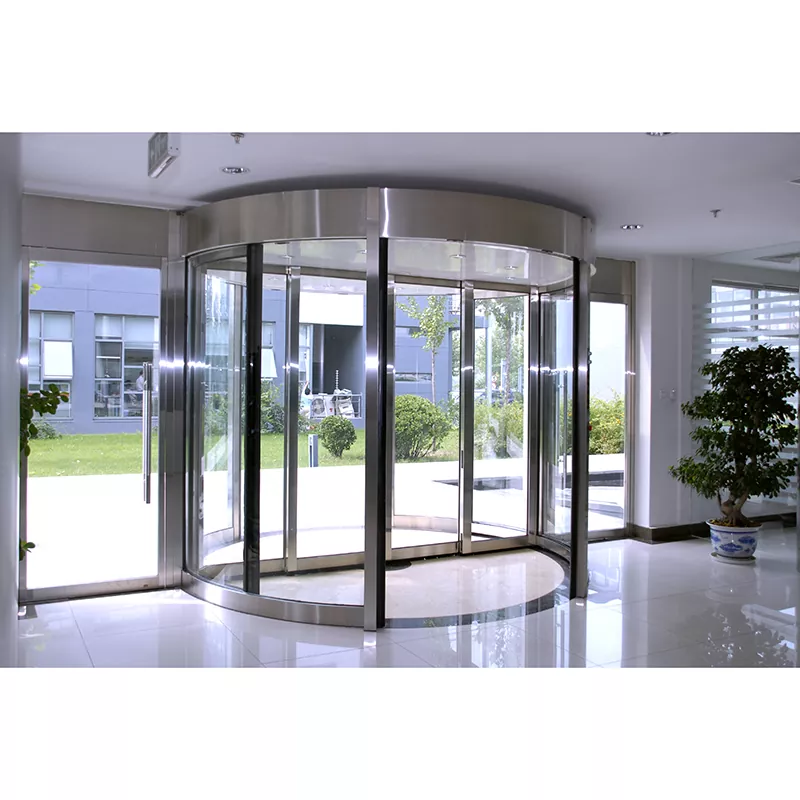
Modern automatic breakout sliding doors are available in a wide variety of styles, finishes, and materials to suit different architectural requirements.
Common material options include aluminum frames, tempered glass, stainless steel, and thermal-insulated profiles. Custom finishes can complement luxury hotels, retail centers, healthcare facilities, and office buildings.
| Material | Advantages |
|---|---|
| Aluminum | Lightweight and corrosion-resistant |
| Tempered Glass | Modern appearance and visibility |
| Stainless Steel | High durability and premium aesthetics |
| Thermal Profiles | Enhanced insulation performance |
Selecting the correct automatic breakout sliding door requires evaluating several operational and architectural factors.
Working with experienced suppliers such as Ningbo VEZE Automatic Door Co., Ltd. can help ensure that the selected system matches project specifications and long-term operational requirements.
Proper installation is essential for performance, safety, and durability. Incorrect alignment or poor structural preparation can lead to operational problems and increased maintenance costs.
Professional installers typically evaluate:
Preventive planning during the construction phase can significantly reduce installation delays and future operational issues.
Regular maintenance ensures smooth operation and extends the service life of automatic breakout sliding doors. Preventive maintenance also helps reduce unexpected downtime.
| Maintenance Task | Recommended Frequency |
|---|---|
| Sensor Cleaning | Monthly |
| Track Inspection | Quarterly |
| Safety Testing | Every 6 Months |
| Motor Inspection | Annually |
Common issues include sensor obstruction, dirty tracks, worn rollers, and electrical connection faults. Routine inspections help identify these problems early.
| Feature | Automatic Breakout Sliding Door | Traditional Swing Door |
|---|---|---|
| Accessibility | Excellent | Moderate |
| Emergency Capacity | High | Limited |
| Energy Efficiency | High | Lower |
| Traffic Flow | Smooth | Restricted |
| Modern Appearance | Premium | Standard |
The automatic door industry continues to evolve with smart building integration, AI-driven sensor technology, and advanced energy management systems.
Emerging innovations include:
These technologies will continue improving user safety, operational efficiency, and sustainability in commercial architecture.
Yes. They are widely used in hospitals because they provide hygienic touchless access, wheelchair accessibility, and rapid emergency evacuation capability.
Most modern systems include battery backup functions and manual breakout operation, allowing safe exit access during power outages.
With proper maintenance, high-quality systems can operate reliably for 10–20 years or longer depending on traffic volume and environmental conditions.
Routine cleaning, track inspection, sensor testing, lubrication, and annual professional servicing are recommended for optimal performance.
Yes. Automatic breakout sliding doors can be customized in size, frame material, glass type, color finish, and sensor configuration to match different building requirements.
Automatic breakout sliding doors are more than just modern entrances — they are an important investment in safety, accessibility, energy efficiency, and operational excellence. Their ability to combine intelligent automation with emergency functionality makes them an ideal solution for high-traffic commercial environments.
As architectural demands continue evolving, businesses increasingly require entrance systems that deliver performance, reliability, and aesthetics simultaneously. Ningbo VEZE Automatic Door Co., Ltd. provides professional automatic door solutions designed to meet modern building requirements worldwide.
Contact us today to discover customized automatic breakout sliding door solutions for your next project.