Automatic sliding doors—Porta Deslizante Automática—have become a central component of modern commercial, industrial, and residential infrastructure. Their role continues to expand as architects, builders, and facility managers prioritize hygiene, energy optimization, accessibility, and intelligent automation.
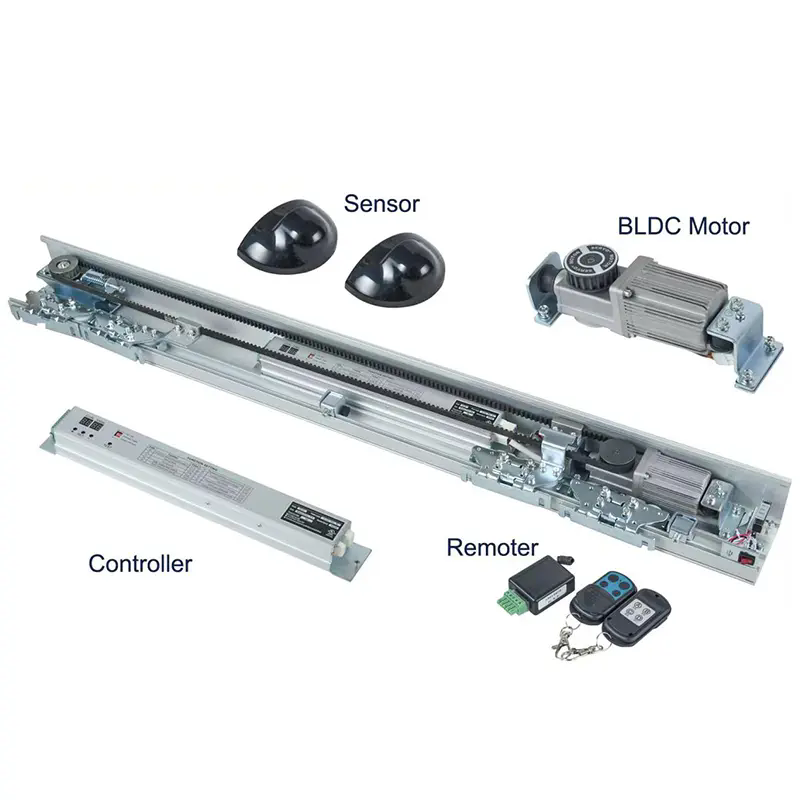
The core purpose of this article is to deliver a comprehensive and professional understanding of automatic sliding door systems while highlighting product parameters, practical use-cases, common questions, and long-term value. The discussion is structured into four key sections to achieve clarity and depth. A technical parameter list is included to reflect a professional engineering approach.
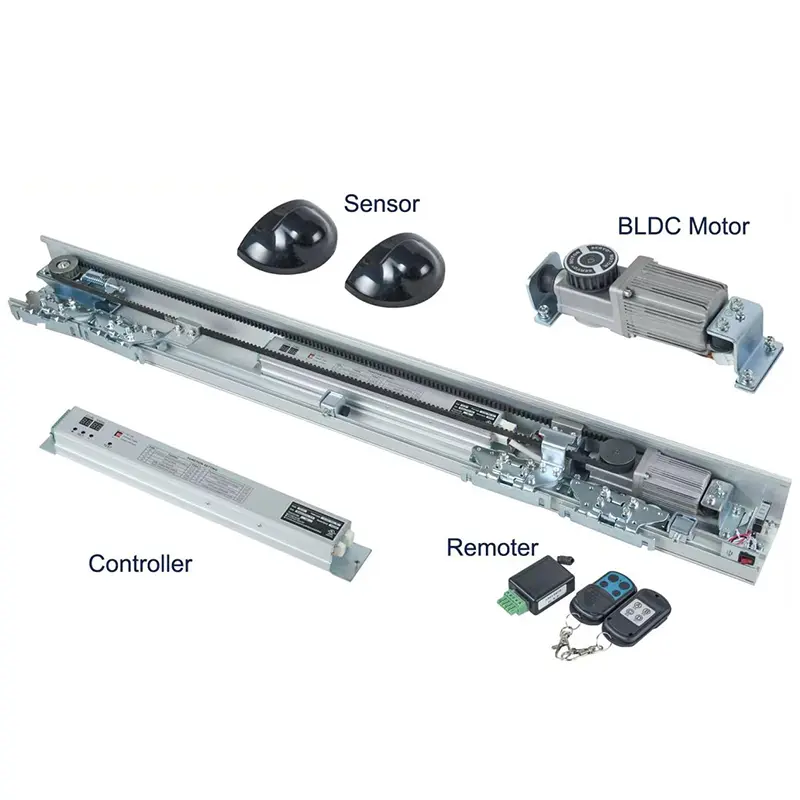
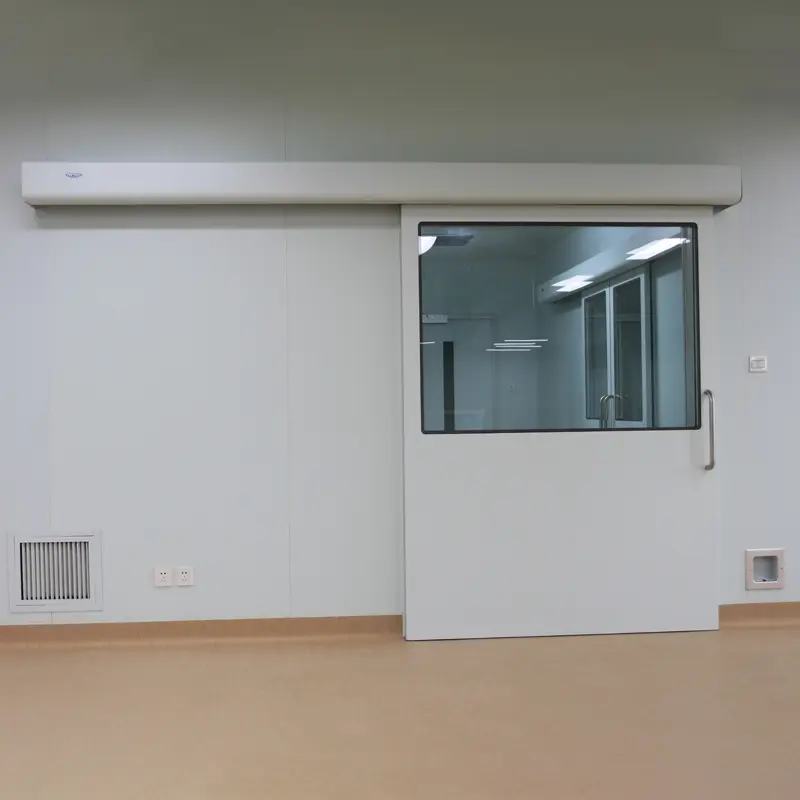
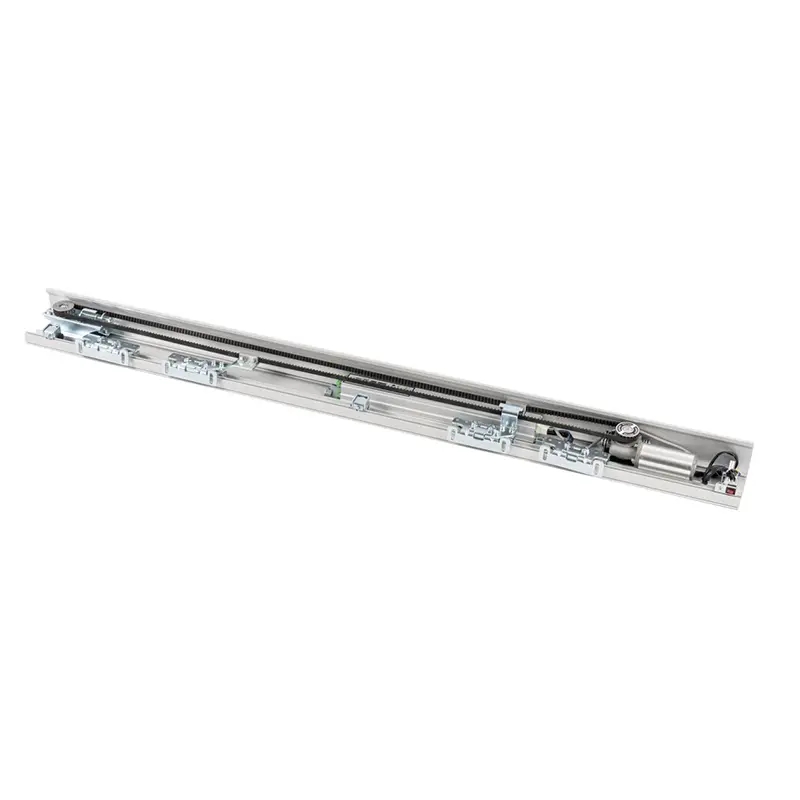
Automatic sliding doors utilize a combination of motion detection, microprocessor control, motorized drive systems, and advanced safety sensors to open and close smoothly without physical contact. Their design benefits high-traffic locations such as hospitals, airports, retail centers, hotels, factories, and office buildings.
They offer barrier-free entry, enhance user experience, reduce contamination, and support energy conservation by controlling indoor climate stability.
| Component | Specification Detail |
|---|---|
| Door Type | Single-leaf or double-leaf sliding configuration |
| Opening Speed | 200–450 mm/s adjustable depending on model |
| Closing Speed | 200–400 mm/s smooth-close system |
| Motor Type | DC brushless motor for high durability and low noise |
| Sensor Technology | Microwave radar, infrared presence detection, motion tracking |
| Safety Features | Anti-clamp protection, obstacle reverse mechanism, emergency manual operation |
| Max Door Weight | 90–150 kg per leaf depending on model |
| Control System | Microprocessor-based controller with self-learning logic |
| Operating Temperature | –20°C to +50°C suitable for various climates |
| Power Supply | AC 110–240V, 50/60 Hz |
| Emergency Function | Battery backup, fail-safe or fail-secure configuration |
| Material Options | Aluminum alloy, tempered glass, laminated safety glass |
These parameters ensure stable performance, long-term reliability, quiet operation, and energy-efficient motion. They also support customization for different climates, industries, and architectural designs.
The value of Porta Deslizante Automática extends beyond convenience. Their design actively enhances safety, supports accessibility standards, and reduces operational costs. Several functional advantages distinguish them as a superior entrance system.
No physical contact is required, significantly reducing contamination risks in hospitals, clinics, food-processing plants, and public facilities. This allows environments to maintain high sanitation standards and limit the transmission of bacteria and viruses.
Automatic closing prevents unnecessary air exchange, reducing load on HVAC systems. Insulated glass and precise sealing help maintain temperature balance in commercial and industrial buildings.
Infrared or microwave sensors detect human movement to prevent impact accidents. Anti-clamp technology ensures the door reverses instantly if an obstacle is detected.
Automatic sliding doors comply with accessibility requirements for seniors, wheelchair users, and individuals with mobility challenges. Their smooth motion and equal-access design enhance the user experience for all.
They can be integrated into retail storefronts, industrial enclosures, hospital corridors, and residential smart homes. Materials, glass types, color options, functionality, and automation levels are flexible.
These performance features position automatic sliding doors as a smart investment for long-term building improvement.
The next decade will transform automatic sliding doors from simple access points into intelligent, interconnected building systems. Several key trends are emerging.
Future models will interact with centralized building management systems (BMS). Doors will exchange data with lighting, climate control, and security systems to improve energy performance and operational coordination.
Internal sensors will track motor condition, opening cycles, vibration, and component wear. Predictive analytics will alert facility managers before mechanical failures occur, reducing downtime and maintenance cost.
Next-generation safety sensors will map three-dimensional environments, ensuring precise detection of fast-moving objects, children, pets, or mobility devices.
Aluminum frames, eco-glass technology, and low-energy motors will become standard, supporting carbon-reduction goals in modern building projects.
Automatic sliding doors will work with ID systems, facial recognition (where legally permitted), RFID, or digital access credentials to improve security in industrial and corporate environments.
More durable seals, high-strength glass, and smart thermal insulation will make sliding doors suitable for regions experiencing climate volatility.
These trends demonstrate how the evolution of Porta Deslizante Automática will support the transition toward highly automated, sustainable architectural design.
Selecting the right automatic sliding door requires evaluating performance requirements, environmental conditions, safety needs, and foot-traffic volume. Companies should consider customization options, warranty terms, durability expectations, and long-term service support.
Traffic Level: Light (residential), medium (retail), or heavy (airport, mall).
Climate Conditions: Extreme temperatures require high-insulation models.
Safety Requirements: Enhanced sensors for hospitals or childcare facilities.
Aesthetic Expectations: Frameless glass for luxury projects, aluminum frames for industrial use.
Maintenance Needs: Motor longevity, replaceable parts, and technical support.
Integration Options: Smart controls, access systems, automation compatibility.
These strategic considerations ensure the selected system aligns with both operational and architectural goals.
Maintenance involves inspecting the motor, cleaning the track, checking sensor alignment, monitoring opening/closing speed, and verifying emergency functions. Regular lubrication and component tightening prolong operational life. Professional service ensures safety compliance and stable performance.
A high-quality automatic sliding door can last 10–15 years or more, depending on traffic volume and maintenance frequency. Brushless motors, advanced controllers, and durable track mechanisms significantly extend lifespan.
Automatic sliding doors have become essential for modern infrastructure, offering enhanced accessibility, energy savings, hygiene improvements, and intelligent control options. As buildings evolve toward interconnected smart environments, these systems will play an increasingly important role in architectural innovation and operational optimization.
VEZE delivers high-precision automatic sliding door systems designed with advanced technology, robust safety features, and customizable configurations suitable for diverse industries. With reliable engineering, professional support, and long-term expertise, VEZE helps businesses and property owners achieve safer, smarter, and more efficient entrances.
For tailored solutions or technical consultation, contact us to explore how VEZE can support your project requirements.