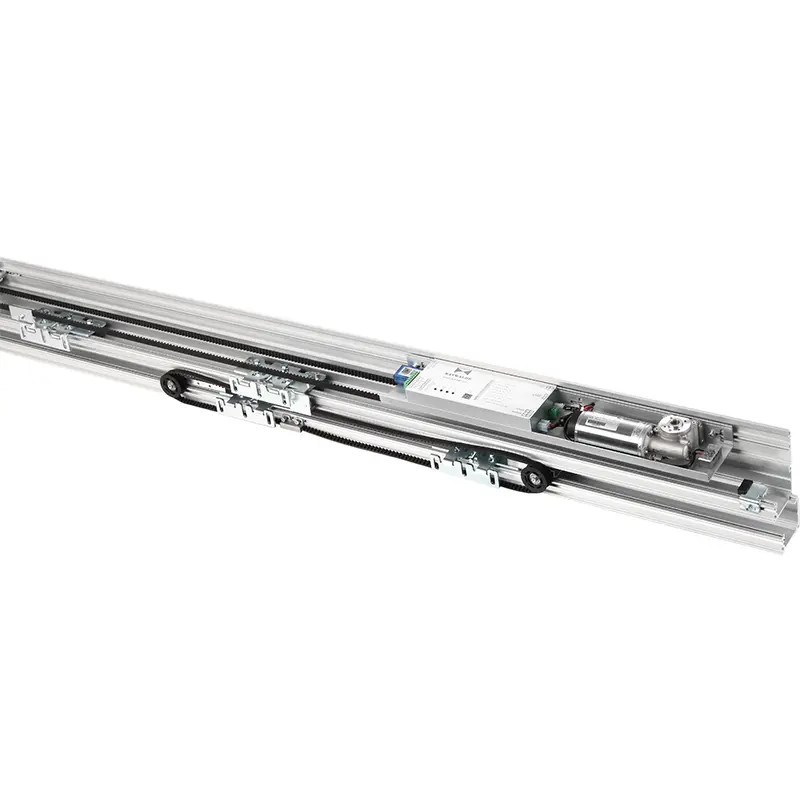
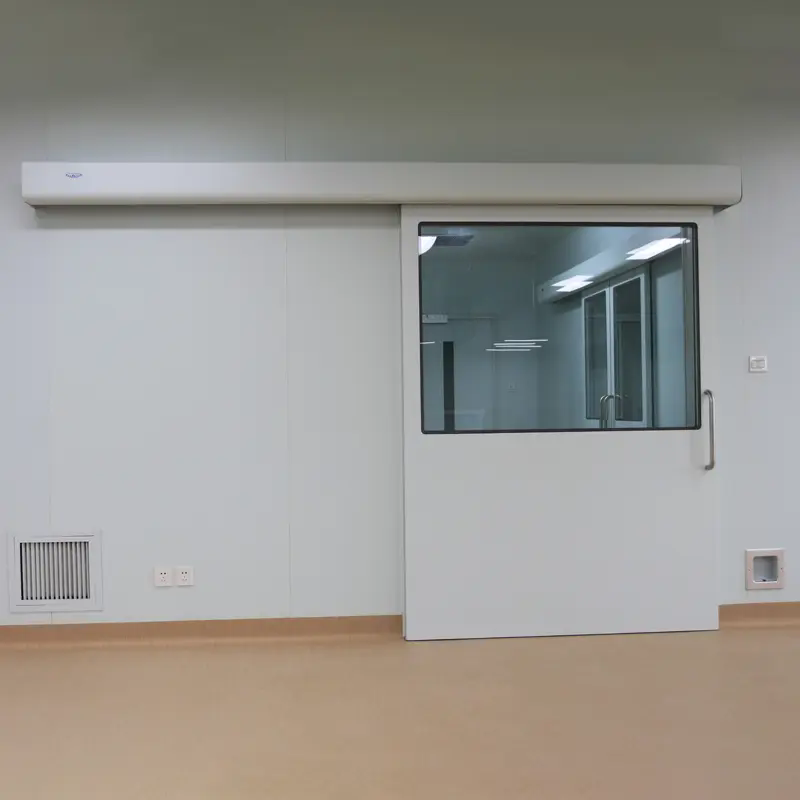
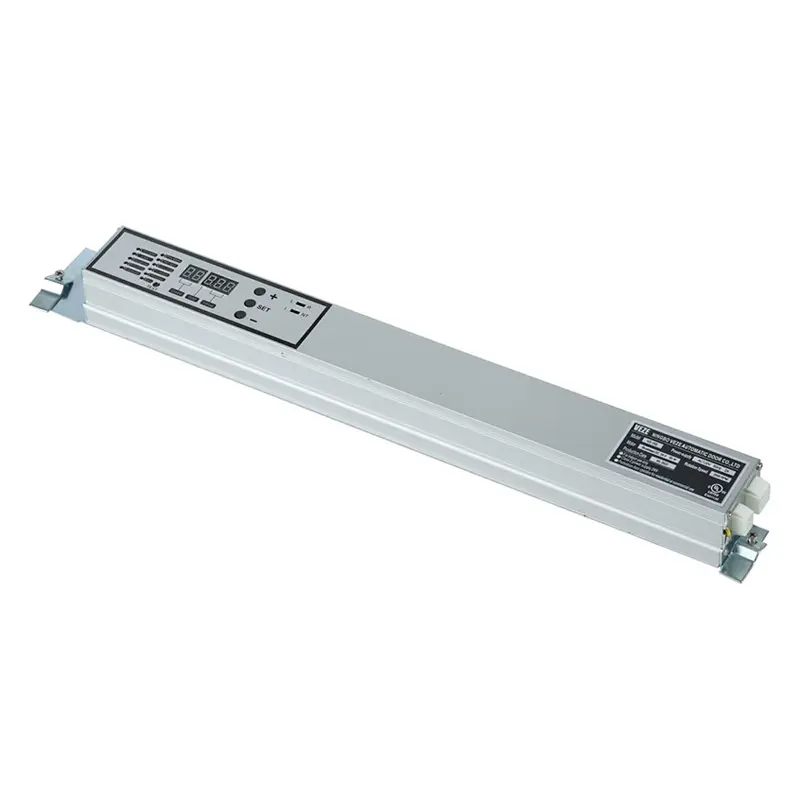
Automatic swing doors are increasingly recognized as a core solution for modern commercial and residential spaces due to their convenience, safety, and intelligent automation features.
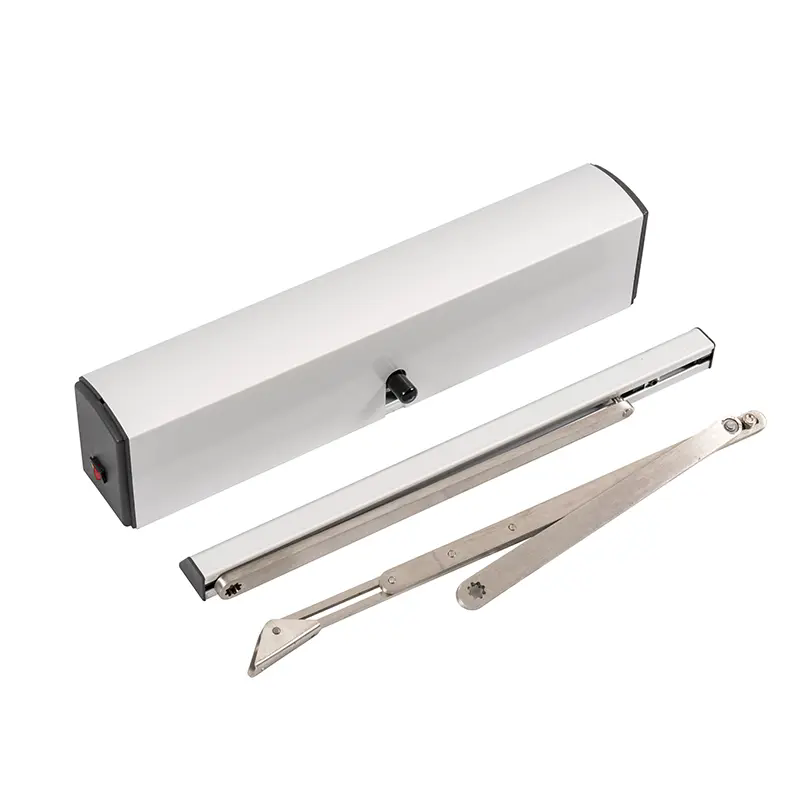
An automatic swing door is a mechanized entry system designed to open and close using an electromechanical or electro-hydraulic operator. It functions by detecting movement or touchless activation and then automatically swinging inward or outward based on the configuration. This technology enhances the accessibility of buildings, reduces manual contact, streamlines foot traffic, and supports barrier-free design.
Automatic swing doors are widely applied in retail shops, office buildings, hospitals, airports, hotels, residential complexes, and industrial facilities. Their capability to provide smooth operation, controlled motion, and adaptability to different architectural layouts makes them a preferred upgrade for both new construction and renovation projects.
(Professional parameters presented in a single table as requested)
| Parameter Category | Specification Details |
|---|---|
| Door Type | Single-leaf or double-leaf swing door |
| Operator Type | Electromechanical / Electro-hydraulic motor |
| Opening Angle | Adjustable 70°–120° |
| Opening Speed | 3–7 seconds (configurable) |
| Closing Speed | 3–7 seconds (configurable) |
| Door Weight Capacity | Up to 120–200 kg per leaf depending on model |
| Power Supply | AC 110–240V, 50/60Hz |
| Control System | Microprocessor control with programmable logic |
| Safety Features | Obstacle detection, anti-pinch, emergency stop |
| Activation Methods | Radar sensor, push button, foot sensor, remote switch |
| Backup Power Option | Optional battery pack for power failure operation |
| Operating Temperature | -20°C to +50°C depending on motor type |
| Noise Level | Low-noise operation below 55dB |
These parameters demonstrate the precision engineering behind automatic swing doors and highlight their suitability for demanding environments such as healthcare and high-traffic commercial buildings.
Automatic swing doors provide benefits far beyond simple convenience. They combine safety, hygiene, energy efficiency, accessibility, and architectural flexibility, aligning with the expectations of modern building standards and user behaviors.
Automatic swing doors remove barriers for individuals with mobility difficulties, elderly users, and those carrying goods or pushing strollers. The hands-free operation ensures smoother movement through entryways and supports universal design requirements.
Modern buildings increasingly value safe and hygienic environments. Automatic swing doors support touchless entry, minimizing contamination risks in hospitals, laboratories, restrooms, and food-processing facilities. Safety sensors detect obstacles in real time, preventing accidental collisions.
In high-traffic locations, manual doors slow movement and cause congestion. Automatic swing doors regulate motion through controlled opening and closing speeds, ensuring organized entry and exit. This benefits airports, shopping malls, and transportation hubs.
Automatic swing doors close automatically, reducing unnecessary air exchange and maintaining HVAC stability. This results in lower energy costs and improved indoor climate management.
Compared with sliding doors, swing doors require less wall space and can be installed on existing door frames. This makes them ideal for renovation projects where retaining the original door structure is desired.
Automatic swing doors operate through a combination of mechanical components, electrical systems, control software, and safety sensors. Understanding how these elements work together reveals why the technology is both reliable and long-lasting.
The door operator is the core component, consisting of:
A motor that provides torque for swinging motion
A gearbox that stabilizes force transmission
A control board that manages door speed, angle, and safety logic
Link arms that connect the operator to the door leaf
The operator receives a signal from the activation device, prompting the door to open smoothly. Once the programmed time delay finishes, the operator initiates the closing cycle.
Different activation methods include:
Radar sensors for full automatic motion detection
Push buttons for controlled activation
Wave or foot sensors for touchless operation
Remote switches for administrative use
Access control integration using cards or biometric systems
These methods can be combined depending on security and facility requirements.
Safety features ensure compliance with international accessibility and building standards:
Obstacle detection: The door pauses or reverses when resistance is sensed.
Anti-pinch protection: Prevents trapping during the closing process.
Emergency stop: Instantly halts motion in urgent situations.
Fire alarm integration: The system can unlock or disable according to emergency protocol.
These protections make automatic swing doors suitable for hospitals and public buildings requiring high safety levels.
Modern automatic swing doors support:
Building management system connectivity
Wireless control modules
Remote diagnostics
Energy-saving modes
Access management synchronization
The integration enhances building intelligence and supports central monitoring.
The industry continues advancing due to technology innovation, sustainability demands, and global safety standards. Several trends will define the future of automatic swing doors.
Future models will incorporate advanced control algorithms, data-driven diagnostics, remote adjustments, and predictive maintenance to reduce downtime and enhance performance. Sensors will become more sensitive and accurate, improving door motion prediction.
Energy-efficient motors, low-consumption electronics, and environmentally conscious materials will become standard. Buildings seeking green certification will increasingly adopt automatic entry systems to reduce air leakage and energy waste.
Touch-free activation will remain essential for healthcare, hospitality, and retail environments. Future systems will include multi-mode contactless controls such as gesture recognition and mobile app-based activation.
Architects and designers demand systems that match unique interior themes. Manufacturers will continue offering customizable arm types, cover materials, opening angles, installation options, and interface settings.
A: An automatic swing door opens by rotating on hinges, making it suitable for areas with limited wall space or where existing door frames should be retained. Sliding doors require horizontal wall clearance and are typically used in wider entrances. Swing doors provide better sealing, lower installation complexity, and easier retrofitting.
A: Safety is maintained through sensors that detect obstacles, logic controls that regulate motion, anti-pinch features, and emergency stop functions. When resistance or obstruction is detected, the system automatically stops or reverses to avoid injury or damage. Additional features include fire alarm linkage and manual override options during emergencies.
A: With proper installation and regular maintenance, high-quality automatic swing door systems can last 8–15 years or longer. Durability depends on motor design, traffic frequency, environmental conditions, and adherence to maintenance schedules. Systems with advanced motors and upgraded control boards often provide longer service life and smoother operation over time.
Automatic swing doors provide a powerful combination of accessibility, hygiene, energy efficiency, and seamless integration with modern building systems. Their ability to optimize traffic flow, support touchless environments, and adapt to diverse architectural requirements makes them an essential component of contemporary infrastructure. As smart technology, sustainability innovations, and advanced safety features continue to evolve, automatic swing doors will play an even stronger role in future building design.
In the industry, VEZE is recognized for delivering reliable, well-engineered automatic swing door systems that meet the expectations of global customers across commercial, industrial, and residential settings. For professional guidance, technical support, or customized solutions, contact us to learn more about suitable product models and installation options.